

1: Introducing Shape & Ship!
A career update, crypto complications, the next tech revolution, and my favorite things

Hello, neighbors!
This is the first edition of Shape & Ship, my occasional newsletter about the craft of product design, being a good neighbor in the tech industry, and cultivating a healthy creative practice. Since I hope this will be read by more than my friends and family, I’ll start by introducing myself.
Professionally, I’m a designer, strategist, and leader. For more than 10 years, I’ve worked in the tech industry doing digital product / platform design, strategy, practice-building (tools and workflows to get the right work done well), and project and team leadership. I’ve mostly focused on fintech, healthcare, and emerging tech, and along the way I’ve created tools and frameworks to help others sharpen their methods and make higher-quality product development and design decisions. For 10+ years before that, I worked as a brand and communication designer, as well as creating videos, producing music, dabbling in independent filmmaking, and running a freelance design business. Regardless of industry or medium, I do my best to build for human thriving, as an aspiring neighbor.
On the personal side, I'm married to my best friend Joy, dad to three beautiful people (13, 10, and 7), and caretaker of an adorable rascal / miniature poodle Timber. I also love to write, explore new technologies and art forms, and make music with whatever instruments I can get my hands on.
How will this thing work?
I'll probably have some recurring areas of focus in areas I’m most excited about, some commentary about industry developments I think are significant, and links to tools or ideas I find useful. I’m guessing I’ll send one every few weeks or so, but no promises!
Since the first one has been cooking for a while, I’ve got lots of reflections to share. Let me know if there’s anything you’d like to hear more (or less) about.
I’ll start with a career update.
A fresh start
Toward the end of 2021, I decided it was time to leave Capital One. It had been a good ride: I’d learned a lot, built some cool product experiences with outstanding teammates (working at every scale, level of zoom, and phase of development), played key roles in establishing and maturing the product strategy and design practice, and helped improve the financial wellbeing of millions of customers. But I’d more or less done what I wanted to do there, and needed a fresh challenge.
I found it at Ignite, where I was recruited to work with a small, smart, and scrappy team to make the best of the eco-friendly Cosmos blockchain ecosystem more safe and welcoming for the rest of us as Head of Design for their consumer product. The industry was booming at the time, and I knew that the tech was very raw (leading to significant user risks as well as huge opportunities for better design), that bad actors were exploiting its security gaps, and that there were ethical concerns in some of its opportunistic uses, but it seemed like there was enough untapped potential and positive momentum to help push it in the right direction—maybe even helping build “a better internet”.
It was a great first few months. I relished the challenges of untangling complex technical infrastructure, applying time-tested patterns to new experiences, and creating some entirely new solutions for UX problems (starting with better asset management, like wallet creation, account recognizability, or transaction transparency). Working with a team who valued craft and quality, knew how to ship, and valued autonomy was incredibly energizing, and I loved working every day with people from across the globe—the UK, Portugal, France, Hong Kong, Ukraine, and Russia, to name a few.
But then it came to sudden and unexpected end, when one of Ignite’s founders decided to return as CEO and shift the company’s focus to its protocol engineering roots with a much smaller team. The project I was working on was deprioritized and open-sourced, and along with many of my colleagues, I found myself back on the job market.
It was time for a reboot, and I took some time to reflect on where I wanted to take my career, update my website and portfolio, and figure out what kinds of industries I’d want to invest in next.
I'm grateful to have started a new role I’m excited about, but more on that next time!
An industry in crisis
When I joined Ignite, there were some clouds on the horizon, but nothing like the full-blown crisis we read about in the news nearly every day now. It still seemed so promising, there were so many smart people there, still such a refreshing energy and weirdness flooding through the tech industry. The chance to solve something hard, and build something new.
And not just in the abstract. As an alternative to today’s “surveillance capitalism”, there’s a lot that's appealing about the crypto credo. Shouldn’t we have an internet where we truly own what we create online, where we don’t have to subsist on selling ourselves (“if it's free, you’re the product”), where money is really modern in how it behaves (for example, with automated rules for each transaction or relationship), where the makers have more of a say in how internet infrastructure is built, where anyone can mix and match “composable” technologies like legos to unlock new uses, and where the benefits your internet contributions unlock aren’t trapped within a given product or brand’s ecosystem?
These are problems I care a lot about! But by the time you get through the all the unintended consequences, the rampant fraud and abuse, the hand-waving complexity, the sociological naiveté, the rickety business models, and the hammering use case question that just won’t go away (what really requires blockchain to be that much better?) it’s hard to look at the whole thing and conclude it’s a sustainable foundation.
I do hope that some of blockchain's philosophical aspirations can find their way into other projects (like maybe the semi-decentralized Fediverse, or Nostr, in keeping with the broader trend toward protocols), but in the wake of the Luna disaster, FTX’s collapse, and many, many other fiascos, it’s not looking great for crypto right now. I’m not willing to write the whole thing off yet—there are too many smart and generous people still there, we all know tech hype is followed by a pruning period, and I’ve seen some visions of the future that sound a lot more boring for my product nerd self but a lot more likely to succeed (e.g. cheaper / faster / safer semi-decentralized tech stack for existing national currency, or NFT-based brand reward or identity management programs that are Not For Tech people and don’t use blockchain terminology, tools for more direct relationships between artists and fans, or better data sovereignty for social networks). But even these seem much more likely to play some part of a much broader revolution than being “the next internet”.
All of which leads me to conclude that “web3” is ultimately more compelling as a critique than a solution. I’m grateful to have had the chance to dive into something new for a short time, nerd out in the technical weeds, learn about some extremely clever cryptography, and work with very smart, dedicated people. Maybe the best of blockchain will help power a more collaborative and fair internet. But at least for now, I’m grateful to be doing something different.
Speaking of a broader tech revolution, what that might be, you ask?
AI for everyone
AI and Machine Learning is not new of course, but the winds have clearly changed over the past month or two, and a lot can be attributed to OpenAI’s ChatGPT.
If you haven’t tried it yet, it’s basically a new chat-based interface for interacting with OpenAI’s GPT-3 Large Learning Model (LLM), which was trained on a massive (pre-2022) internet archive and performs really well at certain tasks like synthesizing between subjects, or generating answers or insights in new formats, and responding to conversational feedback. The model has been around for a while now, but with the addition of a chat interface in a free research trial, it’s suddenly accessible and understandable to everyone—for everything from detailed code generation and documentation, poetry and songwriting, drafting essays, creating apps, organizing information, and much, much more.
In my view, the chat interface is a huge leap for widespread adoption, but the real power of ChatGPT is its synthesis capabilities (comparing, summarizing, predicting, explaining, etc.)—something that’s sure to be embedded in almost every product in the coming years, even if it’s not always via chat.
I think tools like these could help solve one of modern life’s biggest problems, which is that information overload makes us more vulnerable to the misinformation, the simplistic messages of extremism, and the subtle influence of harmful bias. There's just too much information, and we're all too tired; perhaps AI's powerful synthesis abilities can help us better identify the signal in the noise.
All this is of course very exciting for tech nerds (who haven’t seen this kind of rapid advancement since probably the dawn of the internet), but there are massive ethical questions involved, such as equity of access and unintended consequences for society. As we move further from original sources and increasingly rely on hands-off AI-based tools for interpretation of the complexity around us, the structural weaknesses that AI purports to rescue us from could metastasize and become increasingly difficult to detect (something already cropping up in examples like training data problems amplifying racist tropes, for example).
So I think a crucial priority for the tech industry will be making it easier to identify the sources and logic of synthesized information and reduce known bias, something that people like my former colleague and friend Joe Garcia have been working on (in fintech) for some time now.
But even these issues could be small compared to what some AI researchers really worry about: the possibility of Artificial General Intelligence (if achievable) bringing an end to human life as we know it—not by malice, but by runaway optimization that harmfully interferes with our critical infrastructure. Katja Grace has some thoughtful provocations here on the arms race mentality and why we should consider slowing the whole thing down.
While we’re on the topic…
Subscribe to Ben’s Bites for near-daily updates on developments in AI. You’ll probably still feel hopelessly behind like I do, but you can watch it whiz by and try to grab on sometimes.
I think “prompt engineering" is a transitional skill for getting AI models to do what you want (as the tools become more intelligent and intuitive), but this is a useful resource if you want to learn more about the logic behind Large Language Models (LLMs).
Here are some silly examples from experimenting with ChatGPT. Granted, the cognitive dissonance between fun demos like these and insiders’ warnings of (hopefully unrealistic?) existential threat can be jarring.
We product designers have been making dumb jokes about how when everything is designed by AI, we’ll make bespoke, handcrafted, locally-sourced, organic apps. But some developers are actually doing it, building incredibly well-crafted experiences focused on very specific use cases, like Cleanshot, Hand Mirror, and Up Ahead.
Ben Thompson (of Stratechery) has an interesting take on how a possible transition from creation to editing might work in academia with “zero trust homework”. I think this idea may apply more broadly to generally what kinds of skills might be important in the future.
A few of my favorite things...
Here are a few things that have recently improved my quality of life and brought me joy.
A better app for online readers
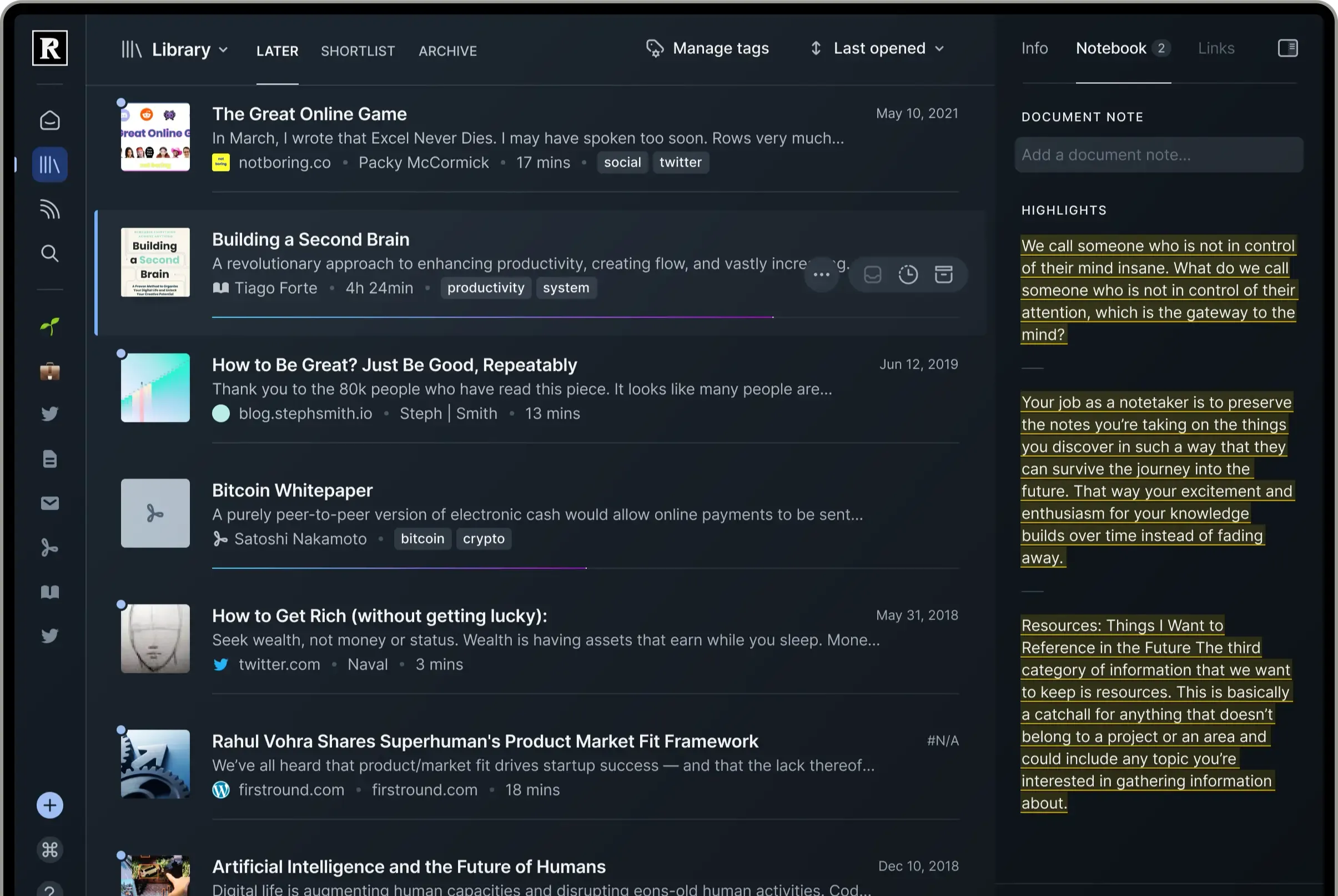
Reader by Readwise (still in beta) has supercharged my internet reading experience. I’m reading and learning so much more now, and I finally feel like I can stay on top of the great content I’m coming across. It even has a GPT3-powered “ghostreader” that can summarize for you and answer questions.
Beautiful, performant websites without the hassle
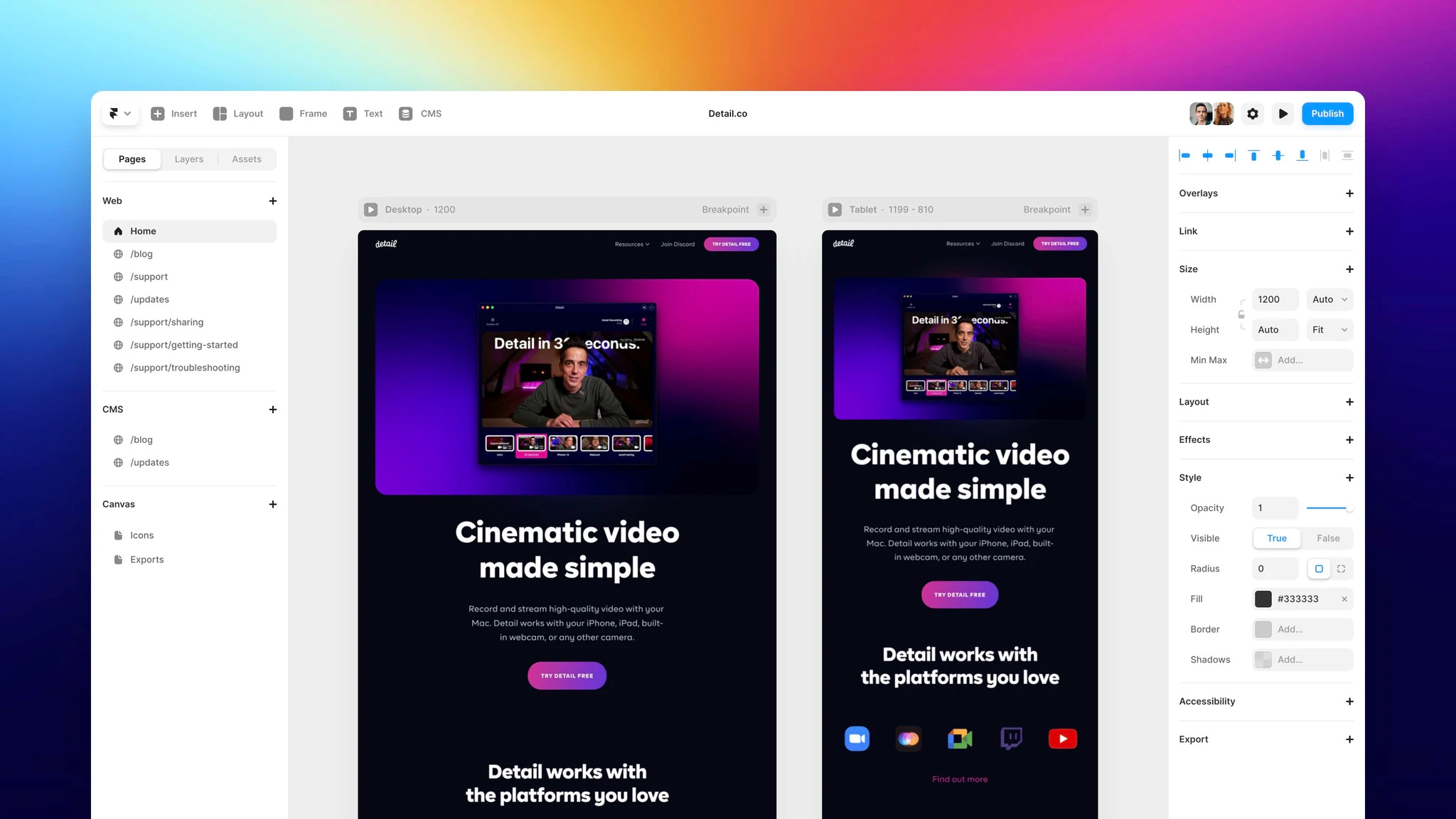
I built my new personal website in Framer (this link from the sponsor program I was invited to—I’d promote it even if I wasn’t!), and it’s an absolute joy to use. Web design is fun again.
Daily inspiration
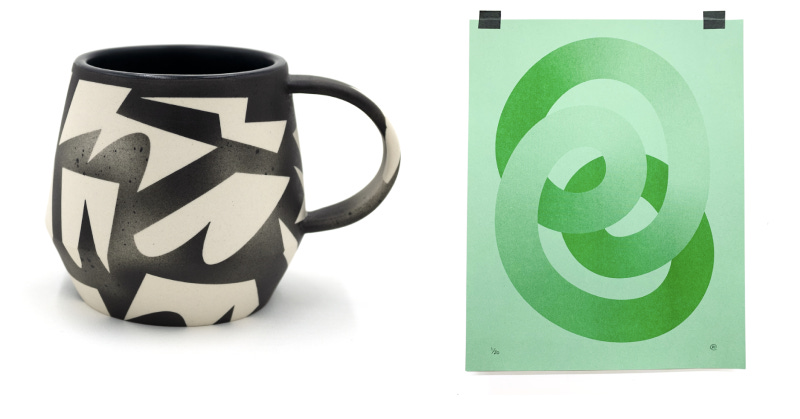
I look forward to my coffee every morning now with this handmade mug I got for Christmas, paired with this print for my home office, both by designer, illustrator, and ceramicist Ryan Putnam.
A happier holiday
For those who celebrate, Ingrid Michaelson’s Songs for the Season is my favorite contemporary Christmas album, one that captures the warm nostalgia of classic albums like Nat King Cole’s The Christmas Song, while bringing her own fresh but subtle take to timeless songs (Let It Snow is a perfect example).

A fun way to connect
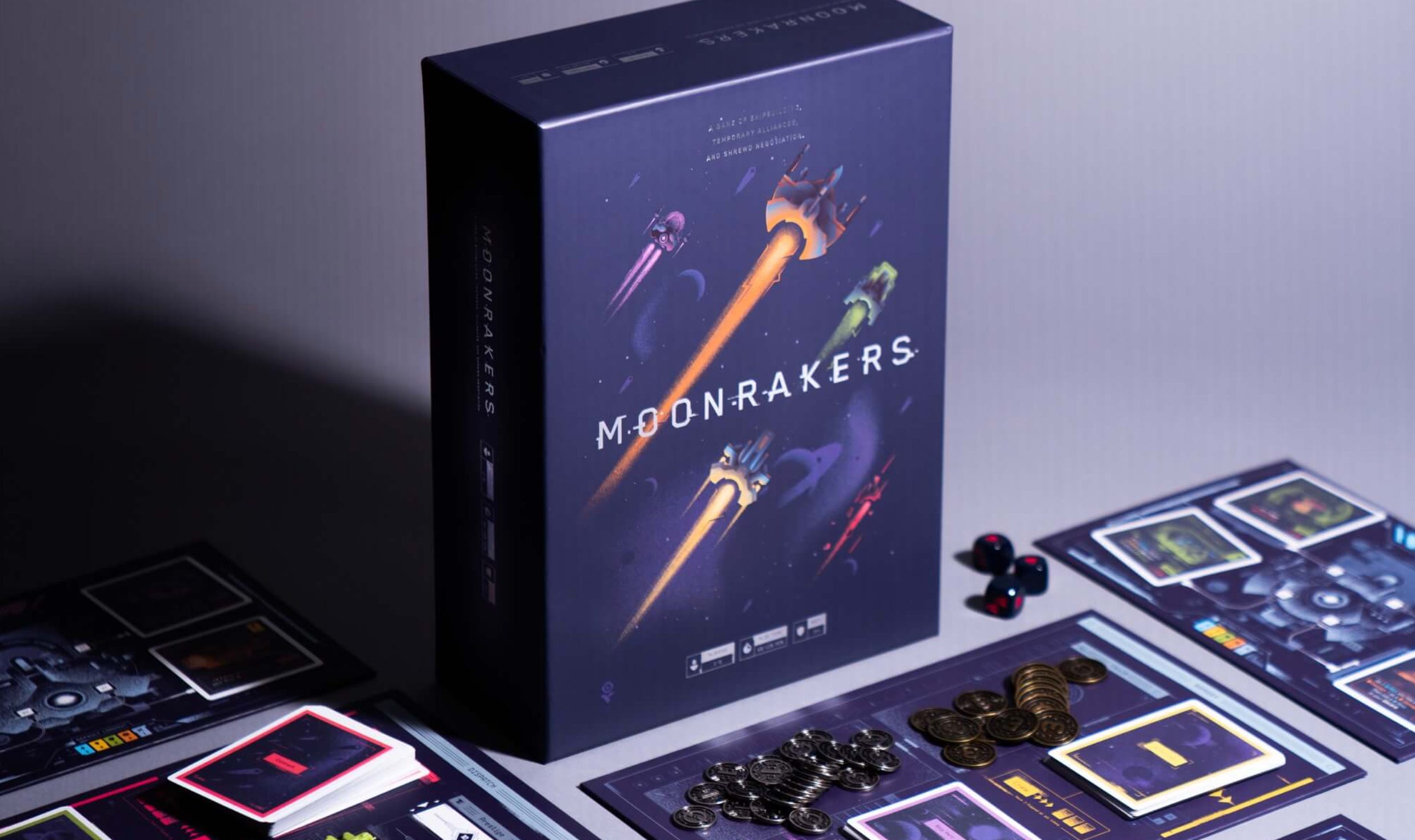
During the pandemic, I rediscovered the importance of in-person fun with friends and family, and the beautifully-designed, SciFi-themed deck-builder and negotiating game Moonrakers by IV Studios became a staple of game nights. The mechanics are thoroughly-satisfying (keeping everyone involved on almost every turn and almost guaranteeing a dramatic finish), the art direction by Alex Griendling (of Lunar Saloon and Bungie) is top-notch, and the print and component production quality is among the best I’ve ever seen.
A beautiful book
I just finished Everything Sad is Untrue, Daniel Nayeri’s first-person account of immigrating from Iran to Oklahoma that weaves deep cultural lore with earthy boyhood memories into something as intricate and beautiful as a Persian rug. Highly recommended.
Today’s poem
I’ve discovered poetry as a language for “the spaces between the words,” a way to express emotions and ideas I don’t know how else to say. Here’s one I wrote about an experience I had one summer.
Forest Fire
June 2022 • Peter Lewis
Like an astronaut,
earth strapped to my back,
launched at the teeming abyss,
I stepped forward,
floating, for a moment,
between the slope and the trees,
flying eye-level
with the summer pines,
toward the wall of fireflies —
pulsing stars,
like the shimmering sparks
of a hidden forest fire.
Up next (probably!)…
Building a home office
Moving on from Twitter
Reflections on finding a job
Newsletter recommendations
…and more